Creating a landscape for your home in Morris County is more than planting a few shrubs. A well planned project blends climate soil design and maintenance to create an outdoor space that is beautiful and sustainable long term. This guide walks you through the entire process from design to finishing touches and ongoing care so you end up with a yard that thrives year after year
Step 1 Assess Your Site and Define Your Goals
Begin by carefully evaluating your outdoor space. Observe sunlight patterns check soil type and drainage note slopes or rocky areas and map existing structures trees patios or driveways
Decide what you want such as a low maintenance garden a patio or entertaining area a flowering garden vegetable patches or shaded relaxation spots. Knowing your goals helps shape the design and choose materials and plants accordingly
Factor in how much time and effort you are willing to commit to maintenance. If you prefer minimal upkeep opt for native or hardy plants less turf and simple hardscape features
Step 2 Create a Design Plan
Start with a simple sketch of your yard layout and mark house shape boundaries sun and shade zones slopes and drainage. Use this base to place features like patios walkways garden beds seating areas and plant zones
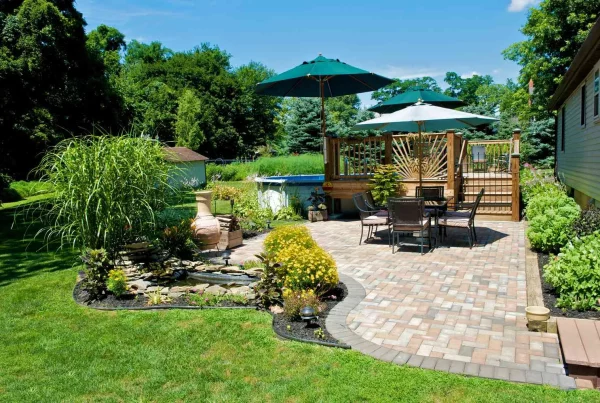
Consider design principles such as establishing natural flow using repetition or symmetry and creating focal points like a small tree water feature or seating nook. Blend hardscape such as patios paths and walls with softscape like plants lawn and shrubs so the space feels balanced and inviting
Choose plants and materials suited to Morris County’s conditions such as cold hardy perennials native shrubs or trees materials that withstand weather changes and soil amendments for better drainage
Step 3 Prepare the Site and Begin Installation
Once the plan is ready clear the area by removing any unwanted plants debris or old materials. Level the ground address drainage or soil issues and improve soil quality if needed
Install hardscape elements first such as patios walkways edging retaining walls or other structures. Once that framework is in place plant trees shrubs and garden beds. This order prevents damage to plants during heavier construction
Step 4 Plant Wisely and Match Plants to Conditions
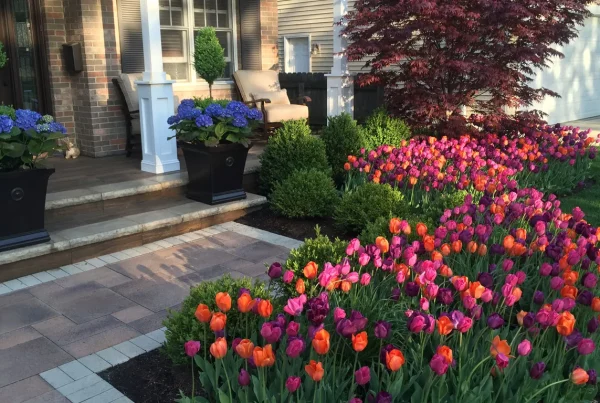
Choose plants based on sunlight exposure soil type and water needs. Use hardy perennials shrubs or native plants that tolerate local weather and soil. Group plants with similar needs to simplify care and watering
Add mulch or compost to improve soil health retain moisture and prevent weeds. Mulch also helps plants survive cold weather and reduces maintenance tasks
Step 5 Develop a Maintenance Plan
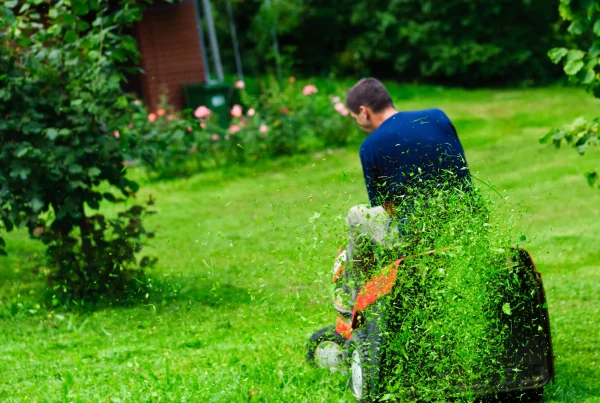
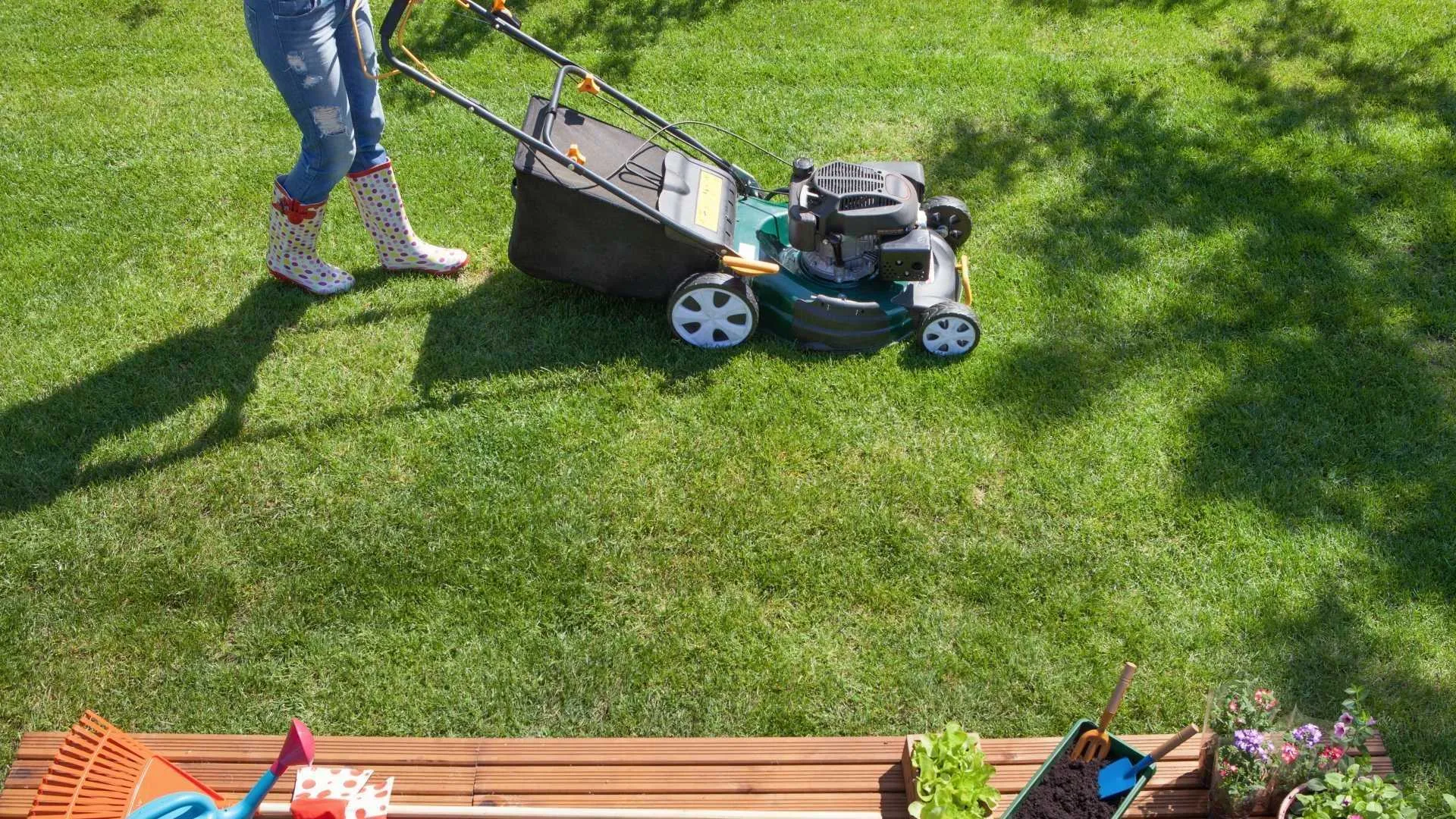
A healthy landscape needs regular care. Create a seasonal schedule for tasks like watering pruning fertilizing and cleanup. Track when to fertilize when to prune and when to plant or reseed
Inspect your yard for drainage issues pests or damage especially after rain or winter. Fixing small issues early avoids major repairs
Limit turf where possible and use ground cover native plants or hardscape to cut down on mowing watering and overall maintenance
Step 6 Adjust Improve and Evolve Over Time
Landscapes are living spaces that change. As plants grow seasons shift or your needs change update your layout. Add new plants replace those that are struggling or include new features like lighting seating or decor
Adapt as needed for better shade better water management or improved functionality. Keeping things flexible helps your landscape stay beautiful and functional long term
Conclusion
A successful landscaping project in Morris County depends on thoughtful planning local plant selection proper installation and ongoing care. By evaluating your site setting clear goals designing intentionally and maintaining consistently you can enjoy a thriving beautiful outdoor space for years to come
Connect With Us
Website: Lenny’s Landscape
Facebook: Follow us on Facebook